The diesel engine is used more than any other type of engine for transportation, thermal power generation, and many other industrial and agricultural applications. The exhaust emissions from combustion in diesel engine are no different from those of combustion processes in petrol engine, the difference being only in the level of concentration of individual pollutants. The sample of a diesel exhaust may be free from smoke, odour, and HC or may be heavily smoke-laden, highly malodorous, and can have heavy concentration of unburned HC.
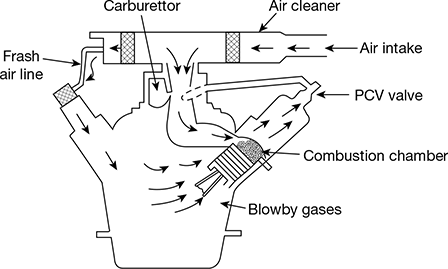
Figure 11.24 Positive crank case ventilation system
The pollutants from a diesel engine can be classified into two types as visible and invisible emissions. Visible emission is the smoke which is objected more by the public. The invisible emissions include CO, HC, NO, SO2, partially oxidised organics (as aldehydes and ketones), and odours. An unpleasant odour is also heavily objected by the public. Smoke and odour are not harmful to public health but are objectionable because of their unsightliness, unbearable smell, and possible reduction in visibility. Other invisible emissions mentioned above have similar effect on health as they are also emitted by petrol engines.
1 Effect of Engine Type on Diesel Emission
The type of the engine and the speed of the engine are two main factors which influence the exhaust emission from a diesel engine. It has been observed that there is a significant difference in emission levels from different engines except the odour level.
The following observations can be summarised:
- A two-stroke air-scavenged engine produces high HC and intermediate NOx. The smoke level remains low at all load conditions.
- A four-stroke medium speed engine has the lowest emissions of all constituents except high smoke intensity.
- A four-stroke, high speed engine has high HC emissions.
- A turbo-charged, four-stroke engine is notably low in HC but high in NOx. The smoke level is also considerably low compared with other engines.
Leave a Reply