The separation of steam from steam-water mixture can be done by the following methods:
- Gravity separation: At low pressures up to 20 bar, gravity separation is used if sufficient disengaging surface is provided, as shown in Fig. 3.16(a). Water separates out by gravity from steam-water mixture, being heavier. But at high pressure, separating force due to gravity is low and it is difficult to achieve adequate separation, and there is considerable moisture carried with steam.
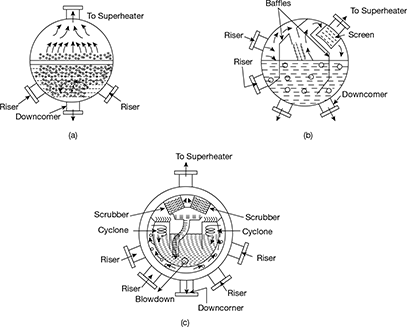 Figure 3.16 Steam drum separation: (a) Gravity separator, (b) Baffle and screen, (c) Cyclone and scrubber
 - Mechanical separators
- Baffles and screens: Baffle plates shown in Fig. 3.16(b) act as primary separators. They change or reverse the steam flow direction, thus assisting gravity separation, and act as impact plates that cause water to drain off. Screens made of wire mesh act as secondary separators where the individual wires attract and intercept the fine droplets. The accumulating water drops then fall by gravity back to the main body of water.
- Cyclone separators: These separators shown in Fig. 3.16(c) utilises the centrifugal forces for separation of two-phase mixture, which is entered tangentially to direct the water downward and to make the steam flow upward. The steam then goes through the zigzag path in corrugated plates, called the scrubber or dryer, on the way out to help remove the last traces of moisture. Finally, perforated plates or screens under the drum exit provide the final drying action.
The internal details of a controlled circulation boiler are shown in Fig. 3.17.
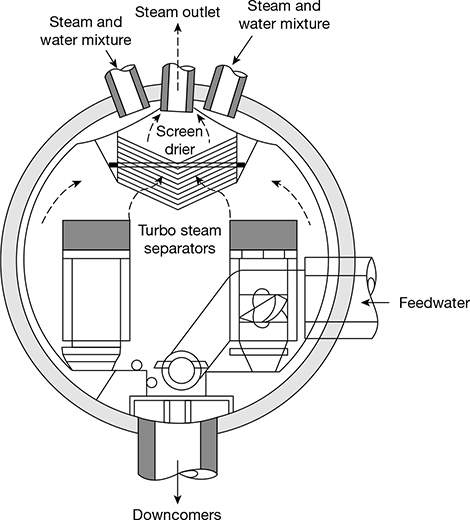
Figure 3.17 Drum internals of a controlled circulation boiler
Leave a Reply