In many countries, HVAC systems have come into widespread use in residential and commercial buildings (small houses, apartments, shops, stores, warehouses, hotels, and large office buildings, etc.). The energy sources for the systems include gas, oil, and electricity. In residential housing the heating or cooling medium can be air, water, steam, or refrigerant requiring ducting, piping or free delivery systems. After delivery, terminal devices are needed such as diffusers, registers, grilles, radiators, radiant panels, and fan‐coil units. The only exceptions are hydroponic systems, which usually consist of underfloor heating elements. In some dry climates, humidification is needed. In humid climates, it is necessary to dehumidify the air, which is normally accomplished when the air is passed over an evaporating coil.
13.3.1 HVAC Systems in Residential Homes
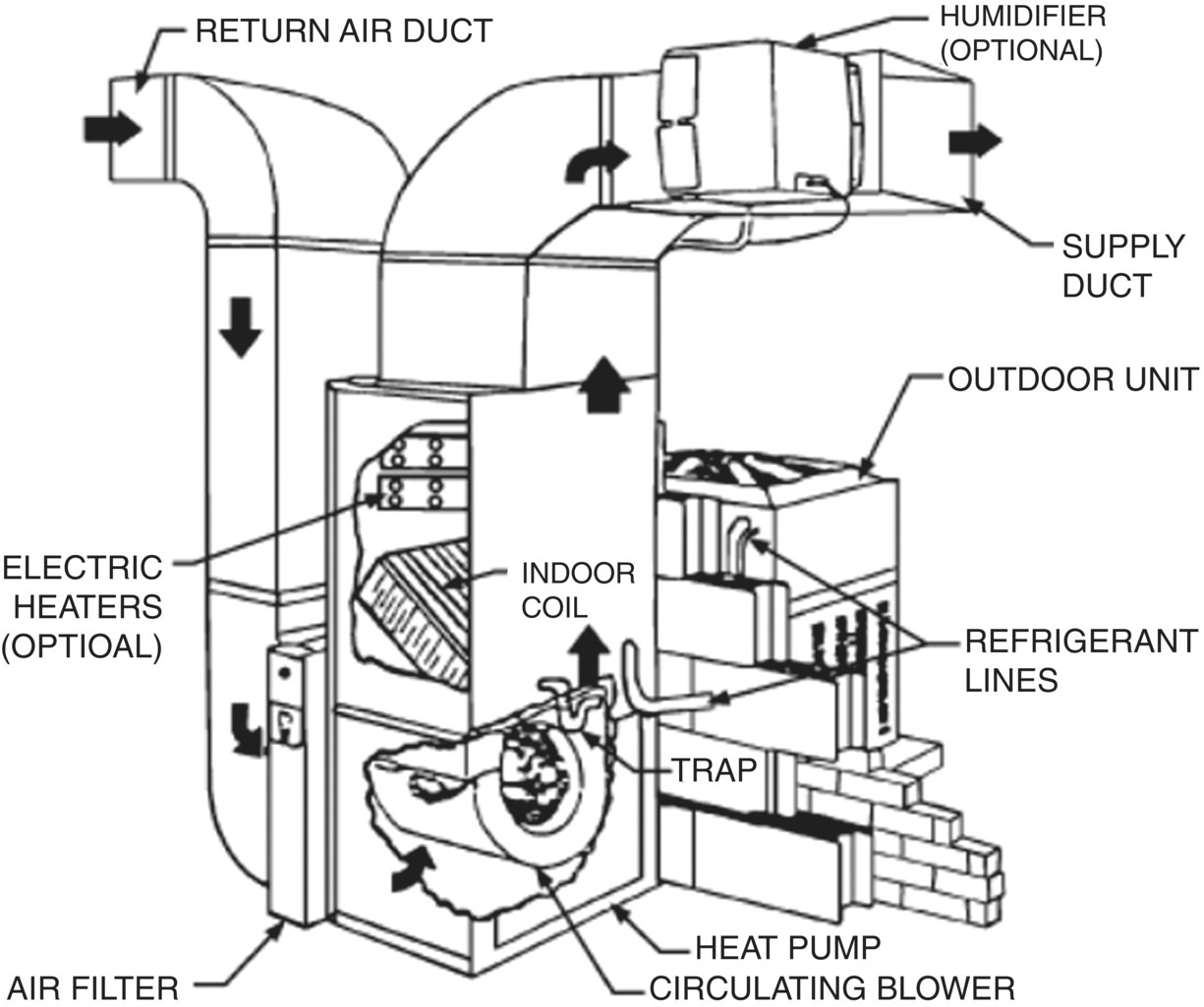
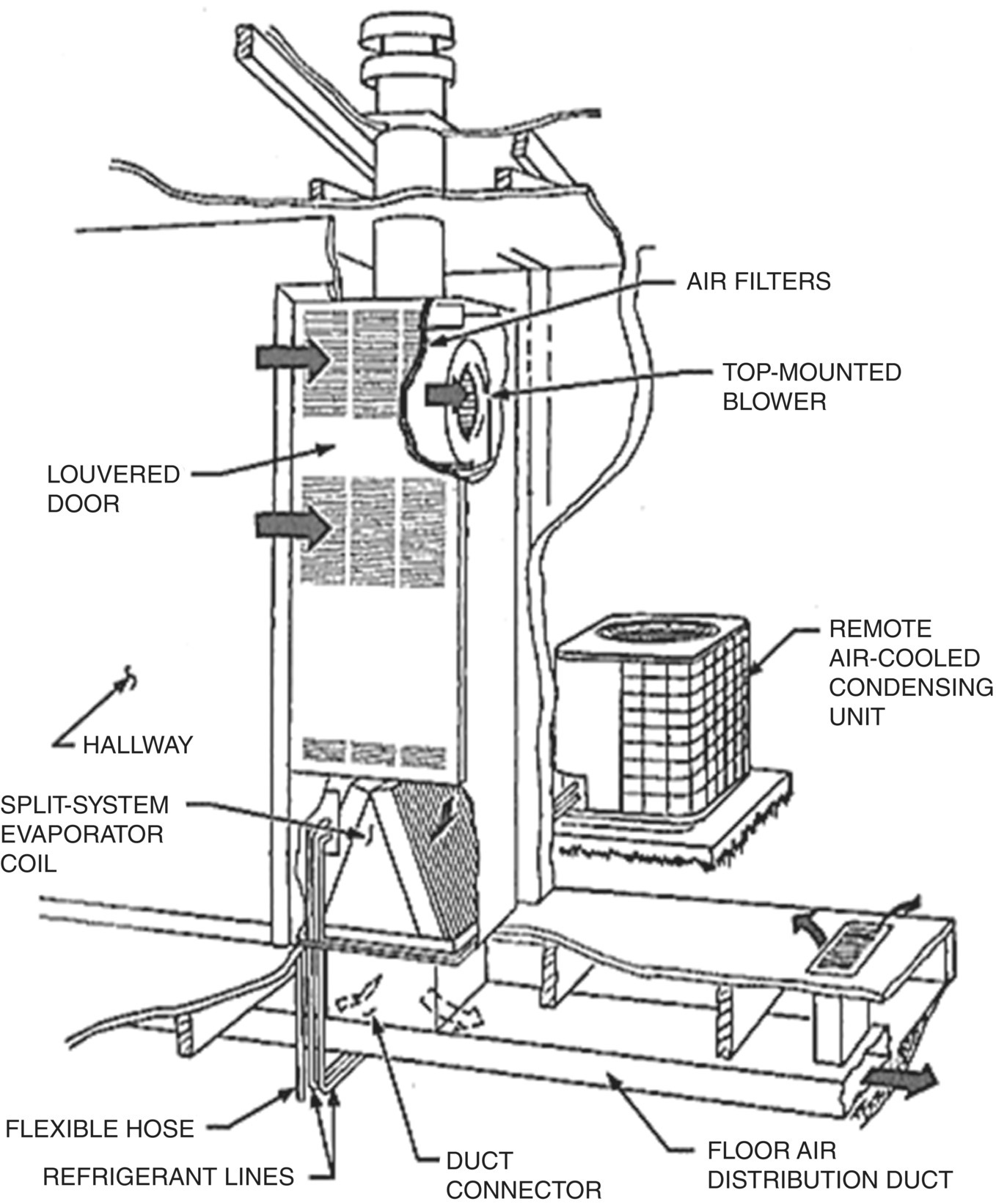
In residential homes, the HVAC systems can be of the gas furnace type, split‐system air‐conditioner type (see Figure 13.1) or the split‐system heat pump type (see Figure 13.2) [20]. However, manufactured homes now amount to about 10% of new single‐family homes built in the USA. They are constructed in factories rather than on‐site and normally have HVAC systems that are factory installed. A typical unit is shown in Figure 13.3 [20].
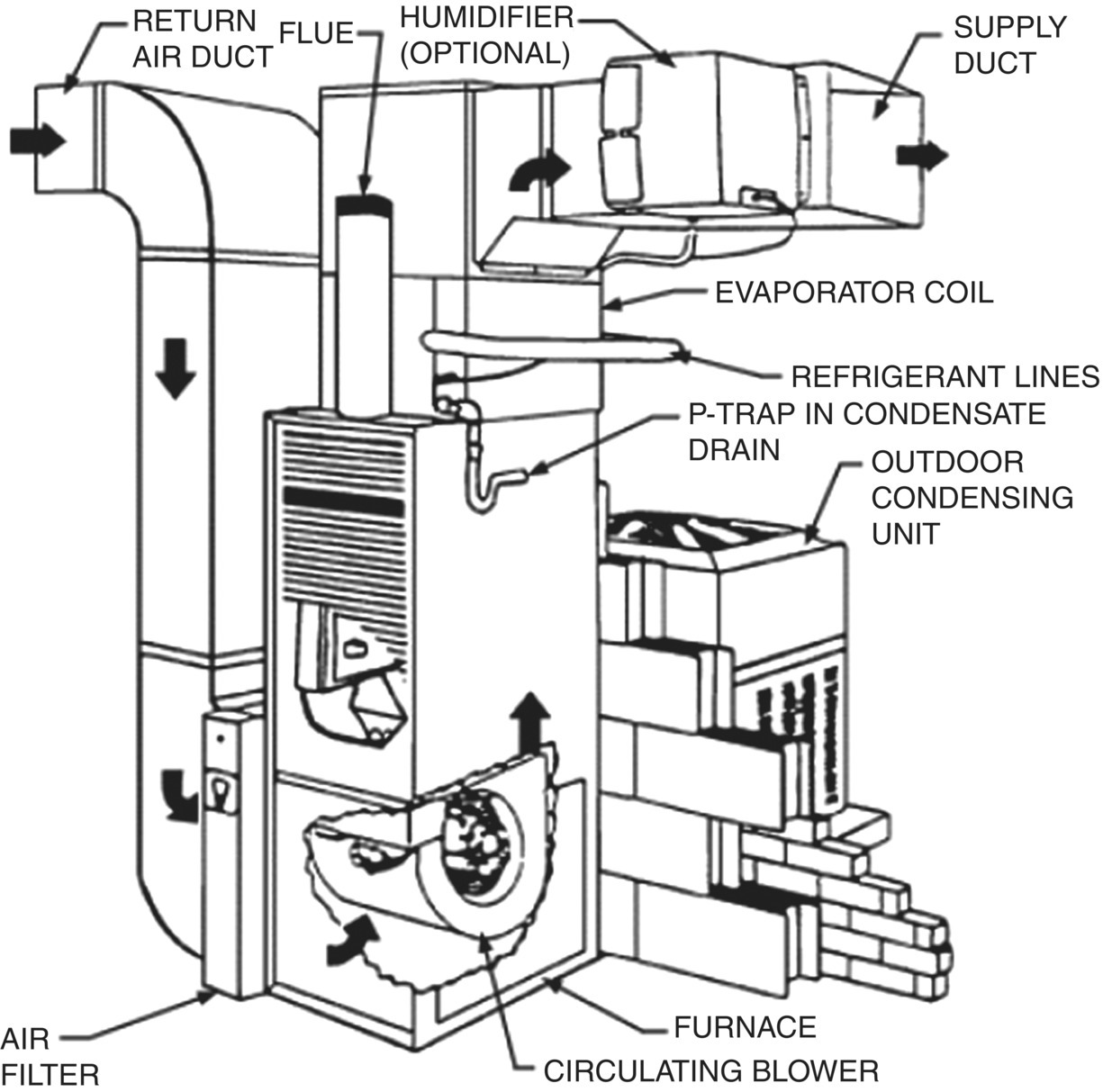
In the first residential type, air from air‐conditioned spaces enters the equipment via a return air duct, usually through an air filter (Figure 13.1). The air‐circulation blower is integrated with the furnace which provides heat during the winter. In the summer, when cooling is required, cooling occurs and the moisture is removed when the air passes over an evaporator coil. The refrigerant medium passes through tubes to an outdoor unit where heat is rejected by the condensing equipment.
In the second type (Figure 13.2), air from the air‐conditioned space travels to the HVAC equipment through a return air duct. The circulating blower is an integral part of the heat pump system, which supplies heated air after the air passes through the indoor coil during the heating season. When cooling is required, heat and moisture are removed when the air passes through the evaporator coil. Refrigerant lines are used to connect the indoor coil to the outdoor condensing unit. Condensate from the indoor coil is removed via a drain and a trap.
The HVAC systems in manufactured homes (Figure 13.3) normally consist of forced air downflow units feeding main supply ducts that are built into the subfloor supplying floor registers situated throughout the homes [20]. A small number of homes in the far south and southwest of the USA use upflow units, which feed overhead units in the attic spaces [20]. Noise control measures may be needed in the units, which incorporate large forced air systems installed close to bedrooms. Such units may be installed in closets or alcoves usually in a hallway.
13.3.2 HVAC Systems in Large Buildings
The remainder of this chapter will deal mostly with HVAC systems used in large buildings. Although the principles of operation of the systems used in large buildings are similar to those used in residential homes, (Figures ), the systems used are of a much larger physical scale and complexity. This is because the heating and/or cooling air requirements will normally be different in various rooms, zones and occupied and unoccupied areas of a building. Provision must be made for the different requirements throughout the building. It is sometimes even necessary to provide heat to one side of a building while it is in the shade and cooling to the other side of the building while it is in the direct sun. All air‐conditioning and ventilation (HVAC) systems have to supply air to many areas of large buildings, and the major source of noise and vibration is usually associated with the supply fan or fans.
There are two main types of HVAC systems that are used in large multistory buildings such as hotels, office blocks, shopping malls, etc. Each type of system has advantages and disadvantages [12].
- A centrally located system normally has the supply fan (or fans) situated in a location, which is distant from the areas to be served by long runs of ductwork. The longer is this ductwork and the greater volume it occupies in the building, the smaller is the remaining useful space [12].
- A distributed system comprises self‐contained “package” units, each comprised of a fan, heating/cooling coils, humidifier/dehumidifier, dampers, etc. Such systems are normally located as a separate item or items on each floor of a multistory building.
Figure 13.4 shows the main paths of noise and vibration for a typical centrally located HVAC system installed in a multistory building. Whenever possible, centrally located and distributed systems should be located in between toilets, storage rooms, stairs, and elevators to reduce noise and vibration reaching occupied building spaces [12]. Space planning is discussed further in Section 13.5.
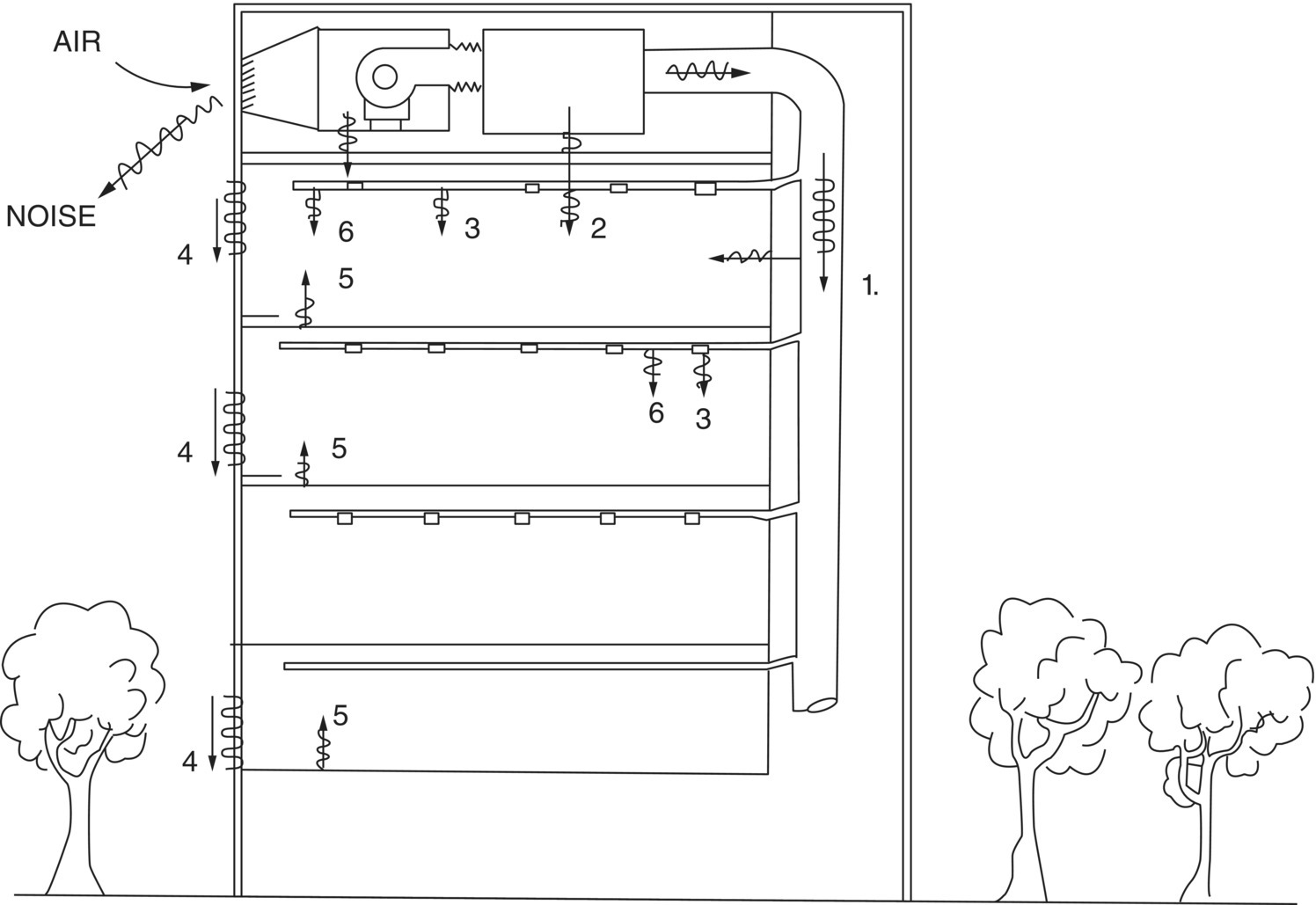
Initially in a large air‐conditioning system, air from the fan is sent through a fan plenum chamber to attenuate some of the fan noise and, in some cases, to allow the air to be heated or chilled. This plenum may have several outlets of various cross‐sectional areas each leading from a main supply duct to the rest of the building. As it passes through the ductwork, the air may encounter many radius bends, elbows, and right angled take‐off junctions. These provide some attenuation of the noise traveling down the duct from the plenum. The attenuation depends upon the geometry of the bends and whether or not the duct is acoustically lined. In relatively high‐velocity flow systems, however, more noise is often generated by the turbulent flow itself at the bends and take‐offs than is attenuated by them.
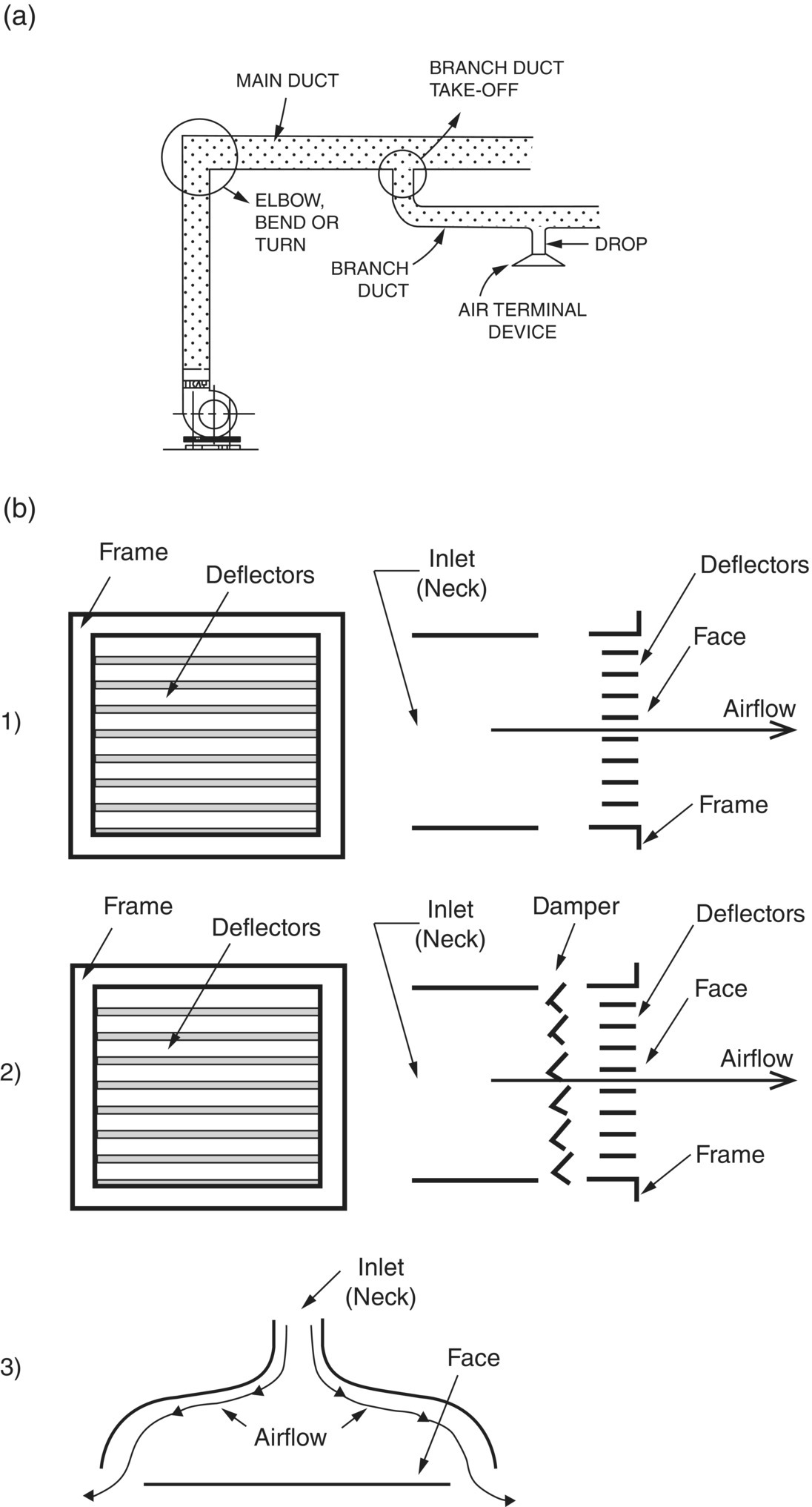
Finally, before the air is sent into a room, it often passes through a mixing box or terminal box to attenuate generated noise and to be mixed with cold or hot air. Although such boxes provide some attenuation, they also radiate noise into the space around them, which may happen to be close to or above critical areas of the building. From here the air is sent into the room via outlet grille(s). At this point, end reflection effects may cause a great deal of low‐frequency attenuation to be achieved; but some high‐frequency noise may also be generated by the flow of air through the grille. The whole process is, therefore, one of continual sound attenuation (by the plenum, ductwork, bends, etc.) and noise generation both by the flow of air through the system (at bends, take‐offs, and air terminal devices) and by the radiation of noise from the vibration of the fan/blower. See Figure 13.5a.
There are three main types of air terminal devices: grilles, registers, and diffusers (GRDs). All allow air to pass through them from the supply side to the occupied space (see Figure 13.5b). The grille is the simplest design and normally only incorporates deflectors, which may be fixed or adjusted to supply the air in a certain direction. See Figure 13.5b(1). A register is similar to a grille but in addition a dumper is incorporated, which may be used to restrict the airflow. See Figure 13.5b(2). Grilles and registers normally have inlets (necks) and outlets (at the face side) of similar cross‐section areas and may be used with the return instead of the supply air. A diffuser can also be used for the air supply. However, here the air goes through a 90° turn. The inlet (neck) area here is smaller than the exit area (or face.) See Figure 13.5b(3).
13.3.3 Correct and Incorrect Installation of HVAC Systems
The mechanical equipment room itself is normally a major source of noise and vibration problems, especially since it seems to be becoming common practice to locate fan rooms on the upper floors in a building where they are usually supported by lightweight flexible structural slabs. In fact, these are very often situated directly over critical executive office spaces, conference rooms, apartment units or other areas that require especially low noise levels. It is very important that great care is taken to install the complete air‐conditioning system properly using the system approach to minimize sources and paths of noise and vibration.
The A‐weighted sound pressure level within a fan plenum chamber may be as high as 115–120 dB; hence, the noise level within the mechanical equipment room itself – which is made up of noise radiated from the fan, plenum, and ductwork – is often very high. High transmission‐loss floors and suspended ceilings are thus usually required to help isolate the mechanical room from the rest of the building. Some vibration from the fan, plenum chamber, and other auxiliary mechanical room equipment can often be easily transmitted into the mechanical room floor slab. Because modern buildings are almost entirely built out of concrete with low internal damping, especially good vibration isolation techniques are required in the mechanical room to prevent energy being transmitted to and ultimately radiated from various other parts of the building.
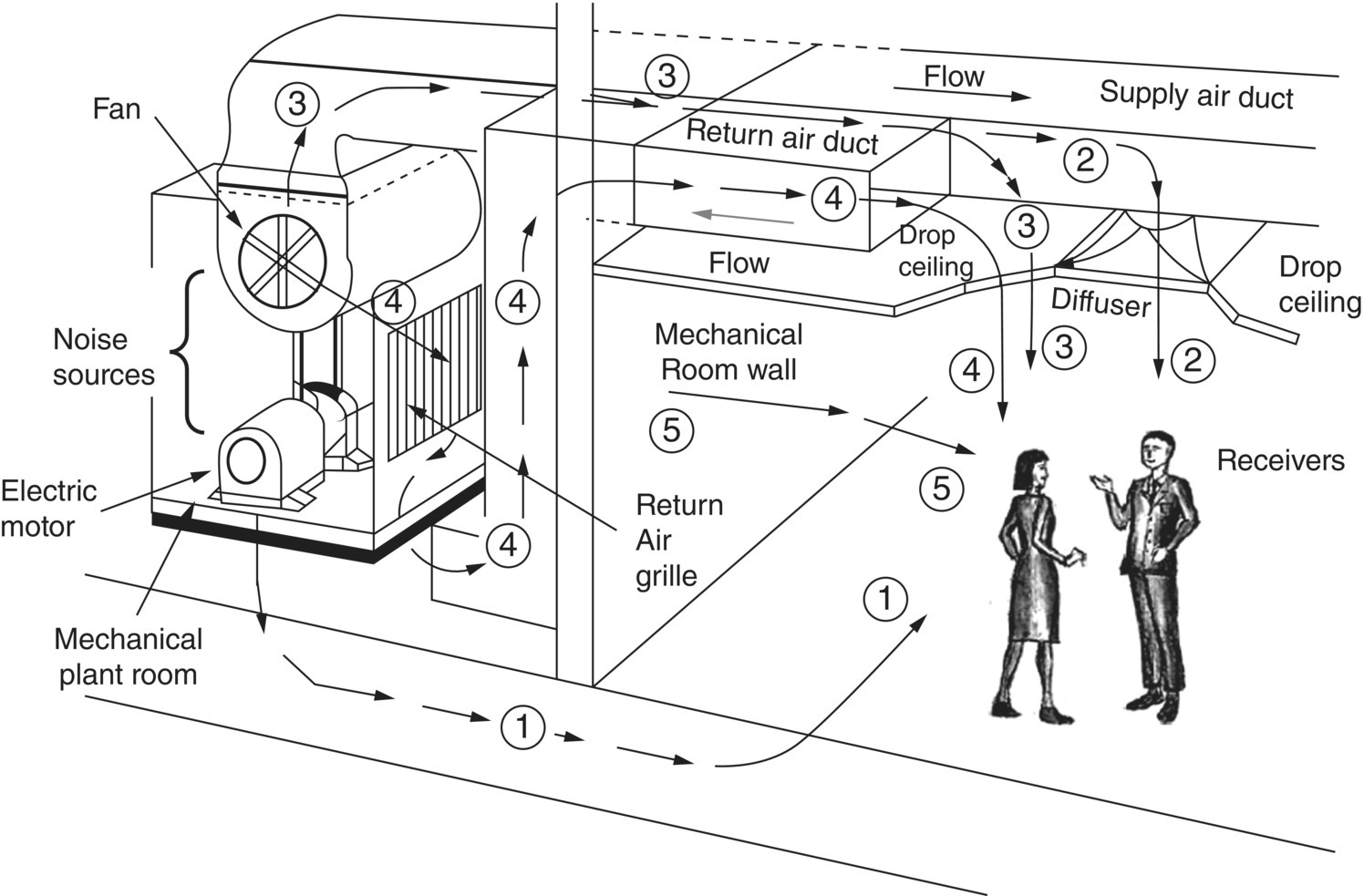
There are many possible airborne and structure‐borne paths between the source (usually a fan) and the receiver (normally the building occupants). (See Figure 13.6.) These paths should be suppressed as much as possible.
It is particularly important that once the air‐conditioning system components have been correctly sized and chosen that they be carefully installed. Figure 13.7 shows an air‐handling unit (AHU) which has been installed poorly resulting in a very noisy system [25]. Twelve faults can be seen. Most of them are system‐related and caused by improper installation.
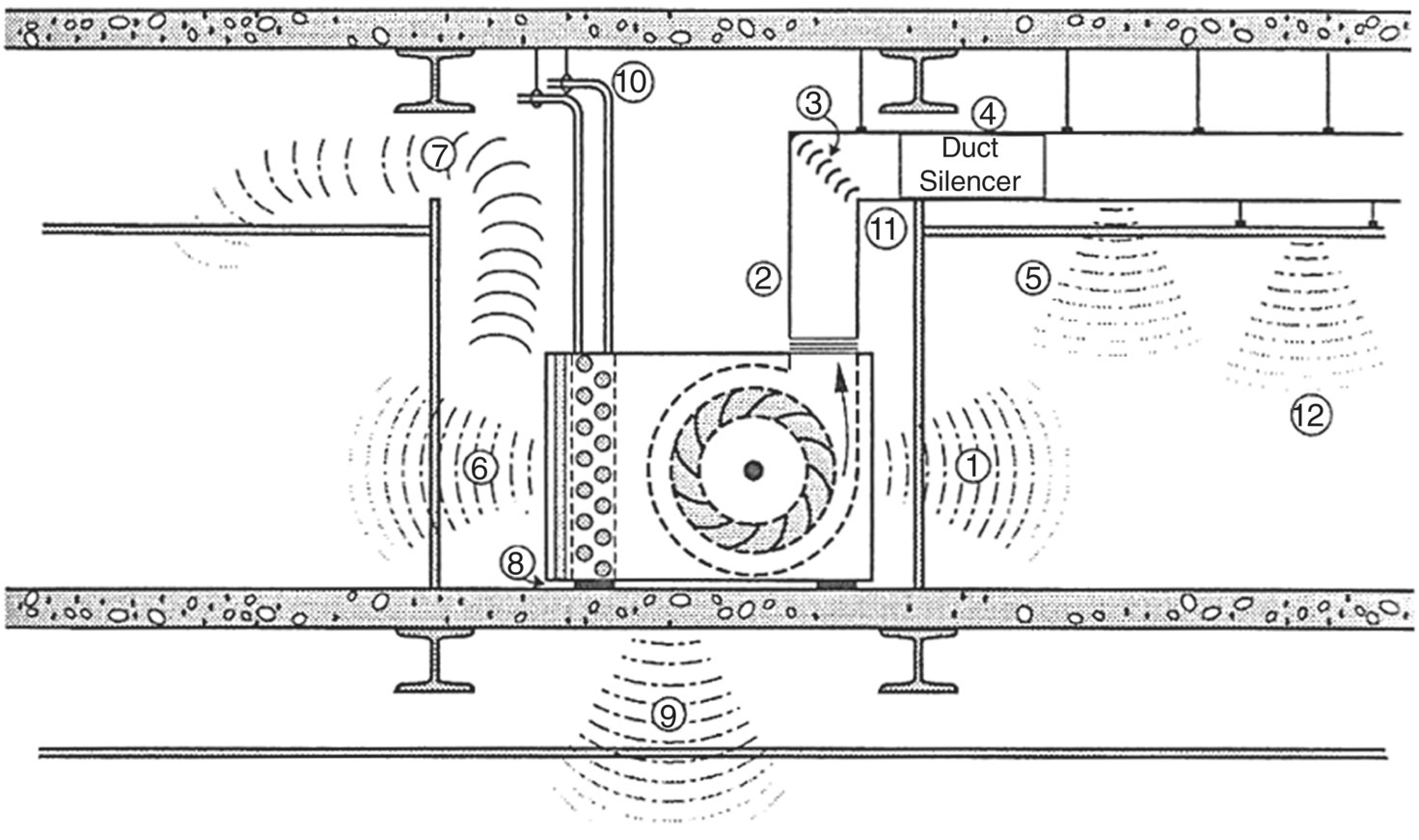
The airflow through the AHU and its ductwork system shown in Figure 13.7 results in turbulence and noise. The small mechanical room results in poor airflow, noise, and rumble in adjacent rooms; the vibration isolators are inadequate and incorrectly located on a flexible floor without adequate structured support directly under the unit.
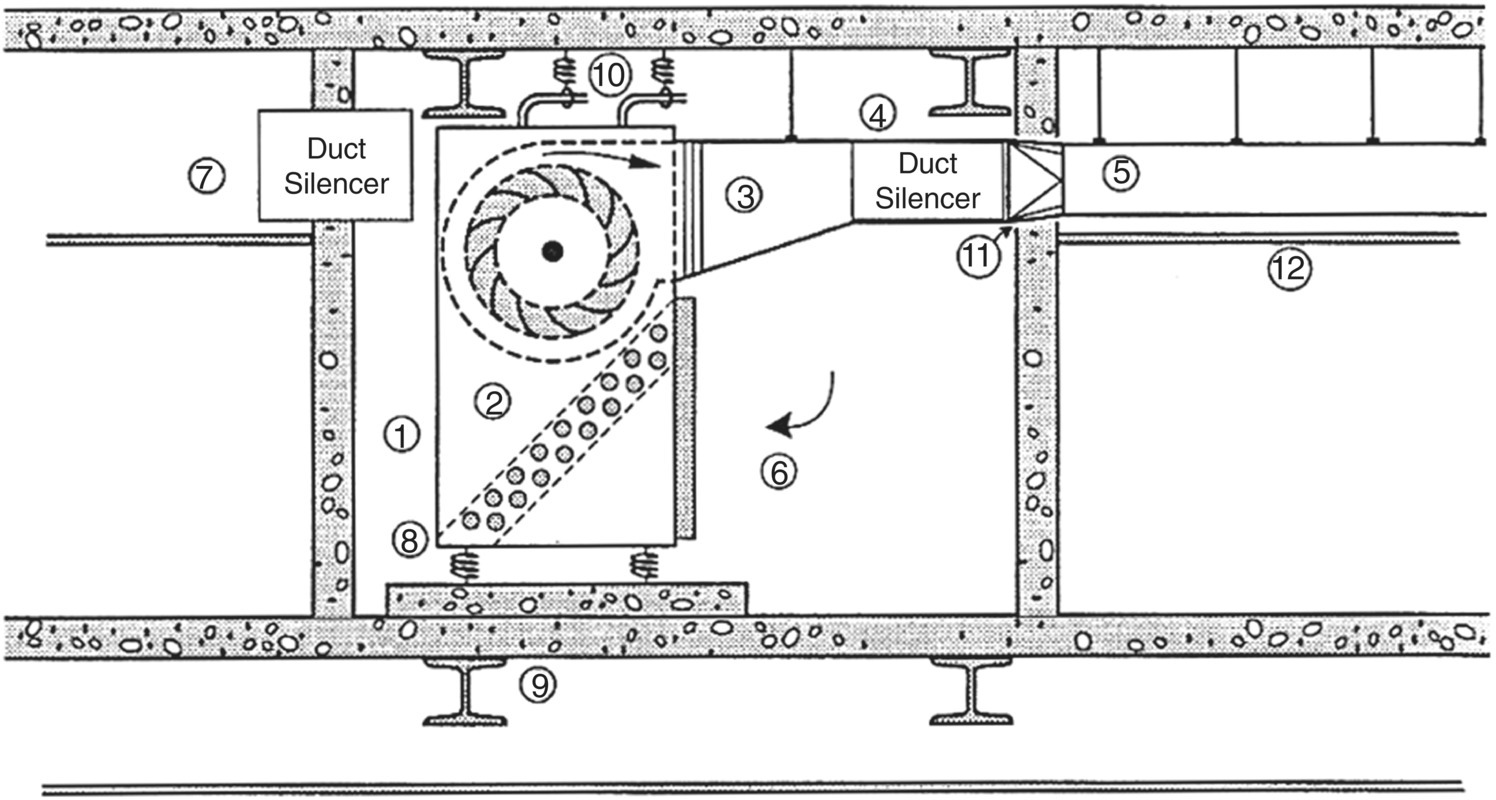
Figure 13.8 shows the same AHU installed after care is taken to reduce most of the problems in the installation in Figure 13.7 [25]. The improved ductwork system results in better airflow, reduced pressure drop and thus greater efficiency and reduced fan horsepower requirements. The larger mechanical room has better clearance between the unit and walls reducing noise transmission and rumble in adjacent rooms. The improved vibration isolators with the stiffened floor and a structural beam directly under the unit reduce vibration transmission throughout the entire building structure.
13.3.4 Sources of Noise and Causes of Complaints in HVAC Systems
Figure 13.9 shows the noise sources and frequency ranges of sources most likely to cause complaints. At low frequency, the most common complaints concern throb, rumble, and roar and are caused by turbulence often created by improper layout of components in HVAC systems. In the mid‐ and high‐frequency ranges, the complaints concern hiss and result from poorly designed or situated grilles and diffuser systems. Occupant complaints can occur, however, even in well‐designed HVAC systems, since some people are more susceptible to noise than others.
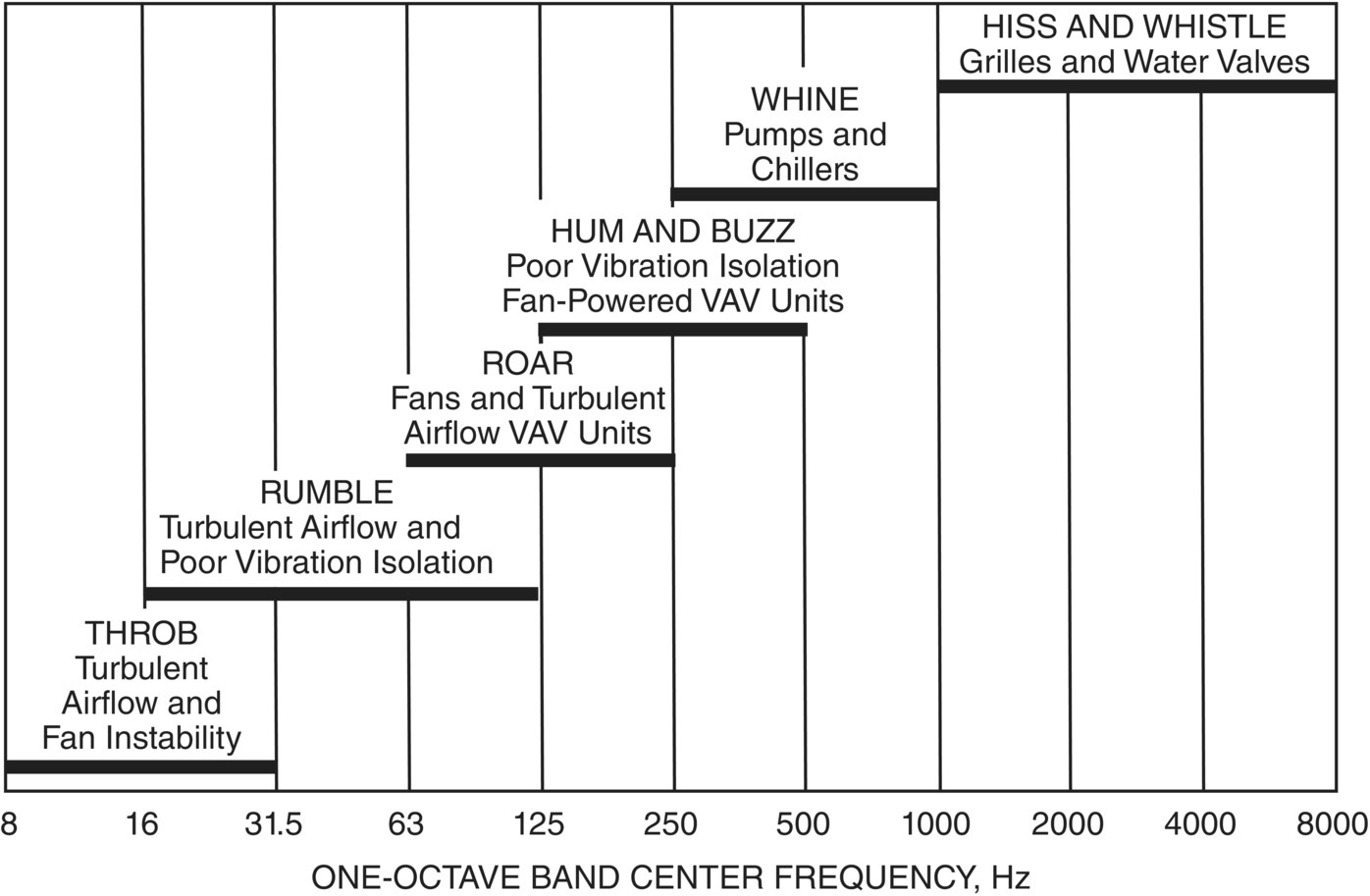
Figure 13.10 shows the frequency ranges in which different mechanical sources are normally dominant. Low‐frequency sources include fan instability and periodic ingestion of turbulent flow, variable air volume (VAV) unit noise is important at mid‐frequency and diffusers and grilles are some of the main causes at high frequency.
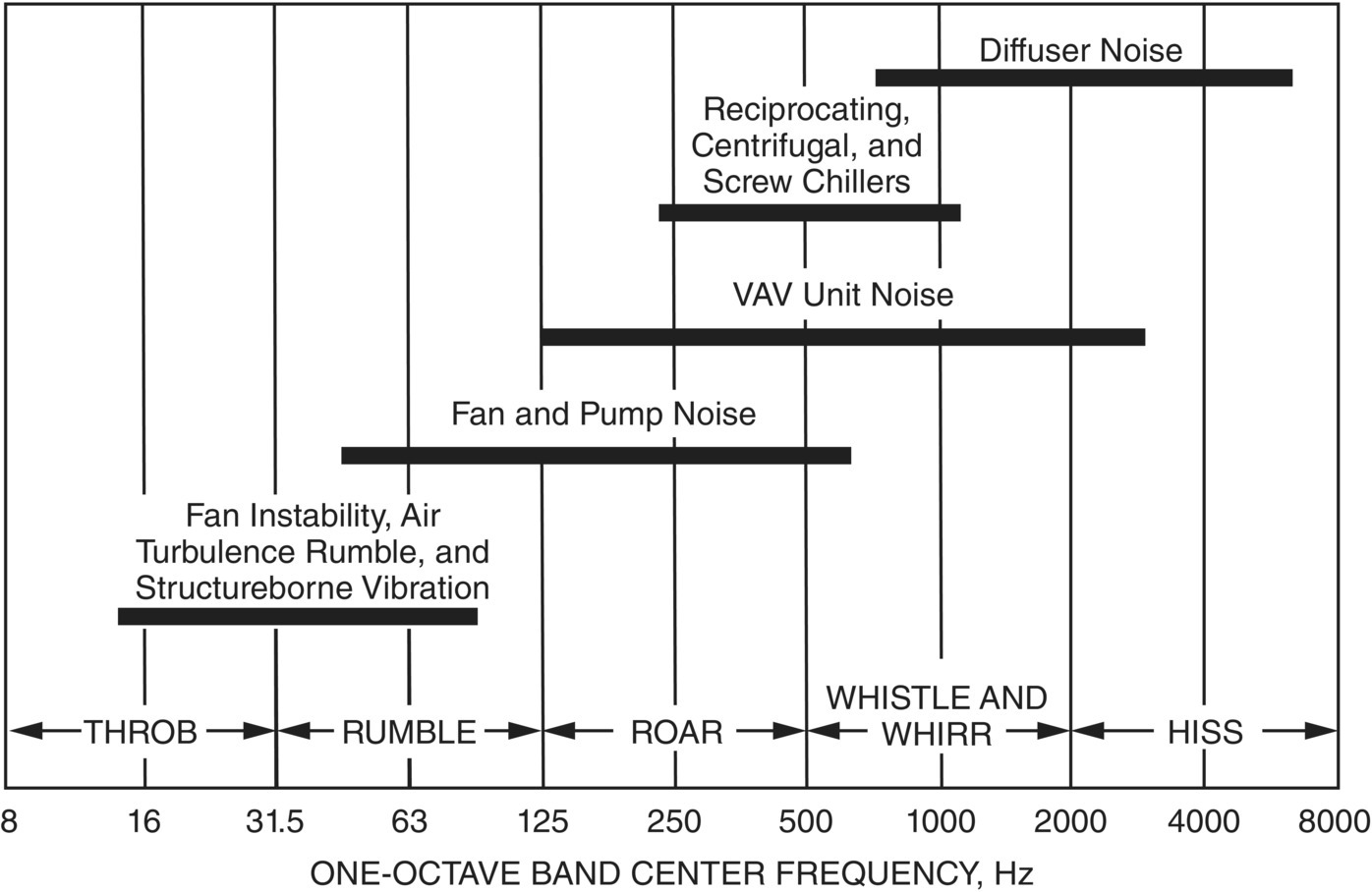
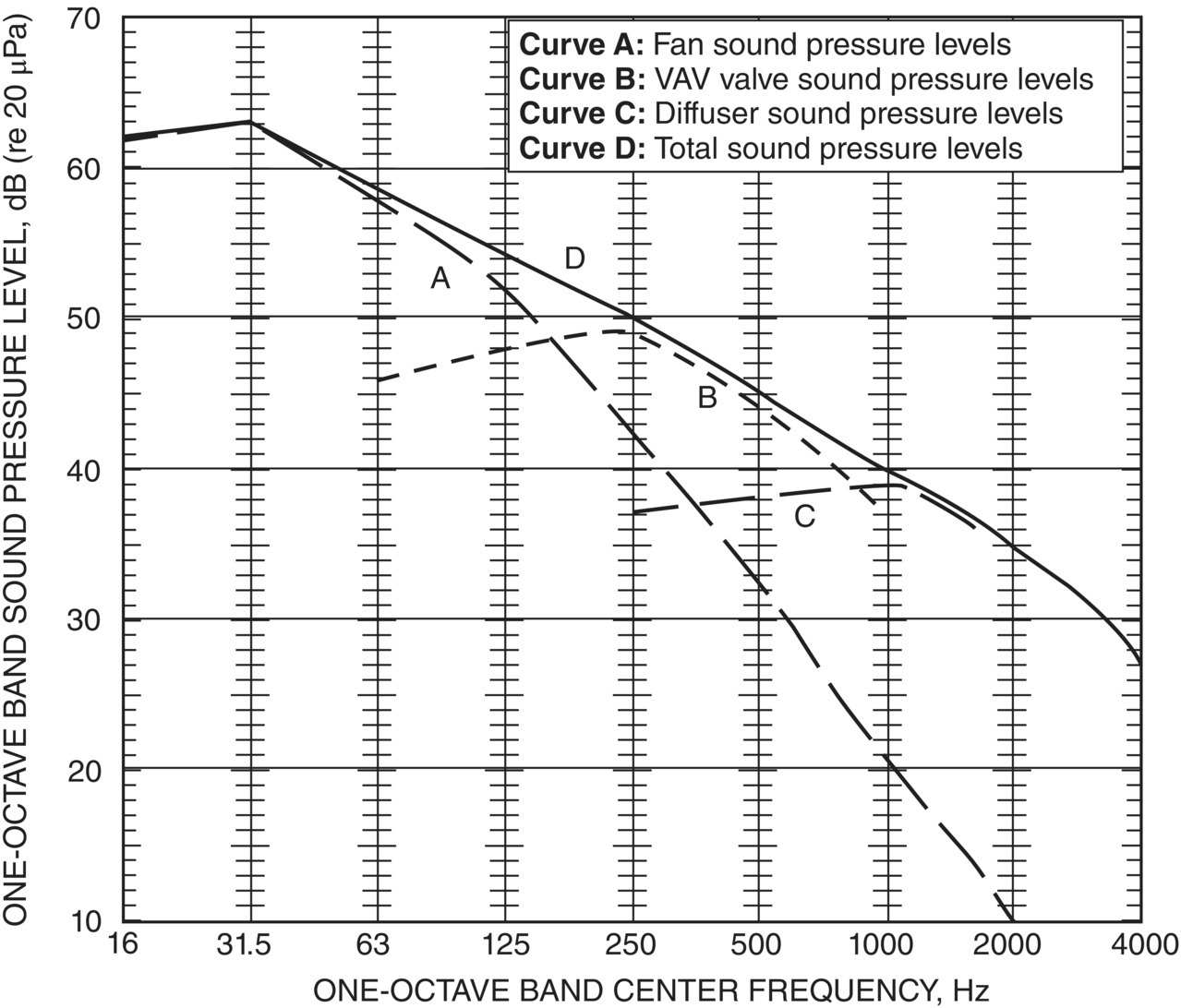
Figure 13.11 shows the spectrum of a typical HVAC system and the contributions made by the fan, VAV valve and diffuser. Fan noise is particularly important in the low and mid‐frequency range, VAV noise at mid‐frequency and diffuser noise at high frequency [20].
All the above‐mentioned sources and paths will now be dealt with in detail to show how a heating, ventilating, and air‐conditioning system can be designed and evaluated acoustically.
Leave a Reply